The invisible influence on trial retention: why caregivers must be part of the plan
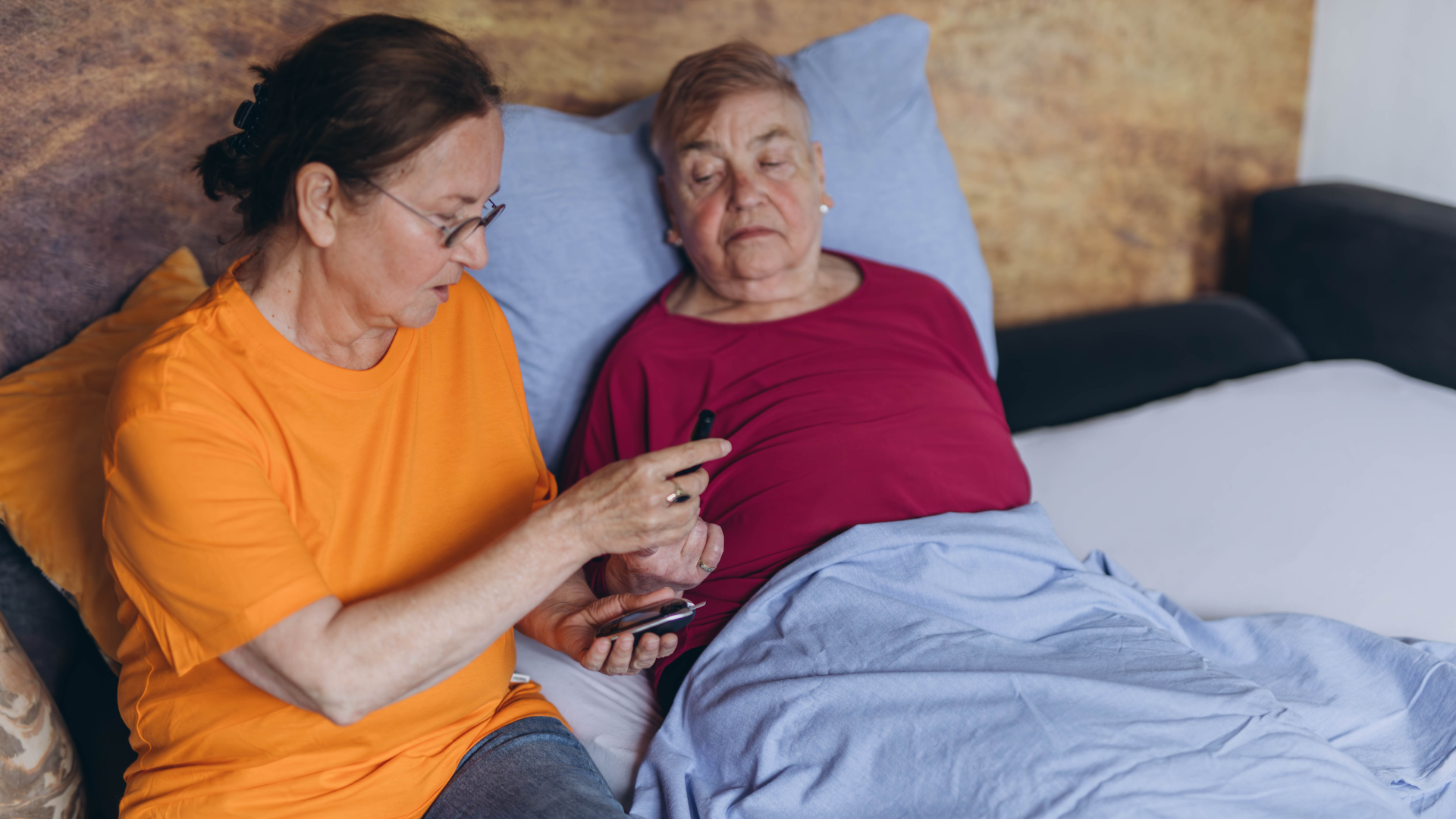
When we talk about the clinical trial experience, most of the focus naturally falls on the participant. Yet, for many people, taking part in a study is only possible because someone else is quietly supporting them behind the scenes. A caregiver may help with travel or technology, organise medication, or simply provide the emotional reassurance that keeps them engaged.
Despite this, caregivers are rarely considered in the realms of clinical research. Our latest report, The participation equation, included findings that show why that approach is no longer good enough.
The scale and pressure on unpaid carers is rising
Recent national statistics paint a pretty clear picture: around 5 million people in England and Wales are unpaid caregivers, with 1.7 million of them providing 50 or more hours of care each week. The stats are similar in the US, where AARP and the National Alliance for Caregiving report that 63 million Americans (nearly 1 in 4 adults) provided ongoing care for an adult or a child with a complex medical condition or a disability in the past year, with the impact on caregivers’ finances and wellbeing being undeniable too.
The Carers UK State of Caring 2025 survey found that nearly half (49%) of caregivers said they had to cut back on essentials such as food, heating, clothing, and transport costs, while a third (32%) had taken out a loan from the bank, used credit cards, or relied on a bank account overdraft. Meanwhile, in their 2023 survey, over three-quarters (79%) of caregivers reported feeling stressed or anxious, almost half (49%) reported feeling depressed, and half (50%) felt lonely. More than 8 in 10 (82%) also expected their caregiving role to negatively affect their physical or mental health in the year ahead, while almost half had postponed their own medical treatment because of caregiving responsibilities.
This is the context in which caregivers are being asked to support clinical trial participation. It is not a small ask.
What our report revealed about caregivers in trials
Our research found that 3 in 10 clinical trial participants had support from a caregiver. However, this support does not necessarily mean that participation is automatically easier.
According to our analysis, participants with a caregiver were:
- less likely to complete their trial (63% completion rate), compared to completion among participants taking part without caregiver support (78%)
- more likely than those without caregiver support to withdraw because of financial burden (36% versus 29%)
- more likely than those without caregiver support to struggle with tests and assessments at home (12% versus 6%)
- more likely to say they needed additional support materials, particularly for recognising and reporting side effects and for managing at-home tasks
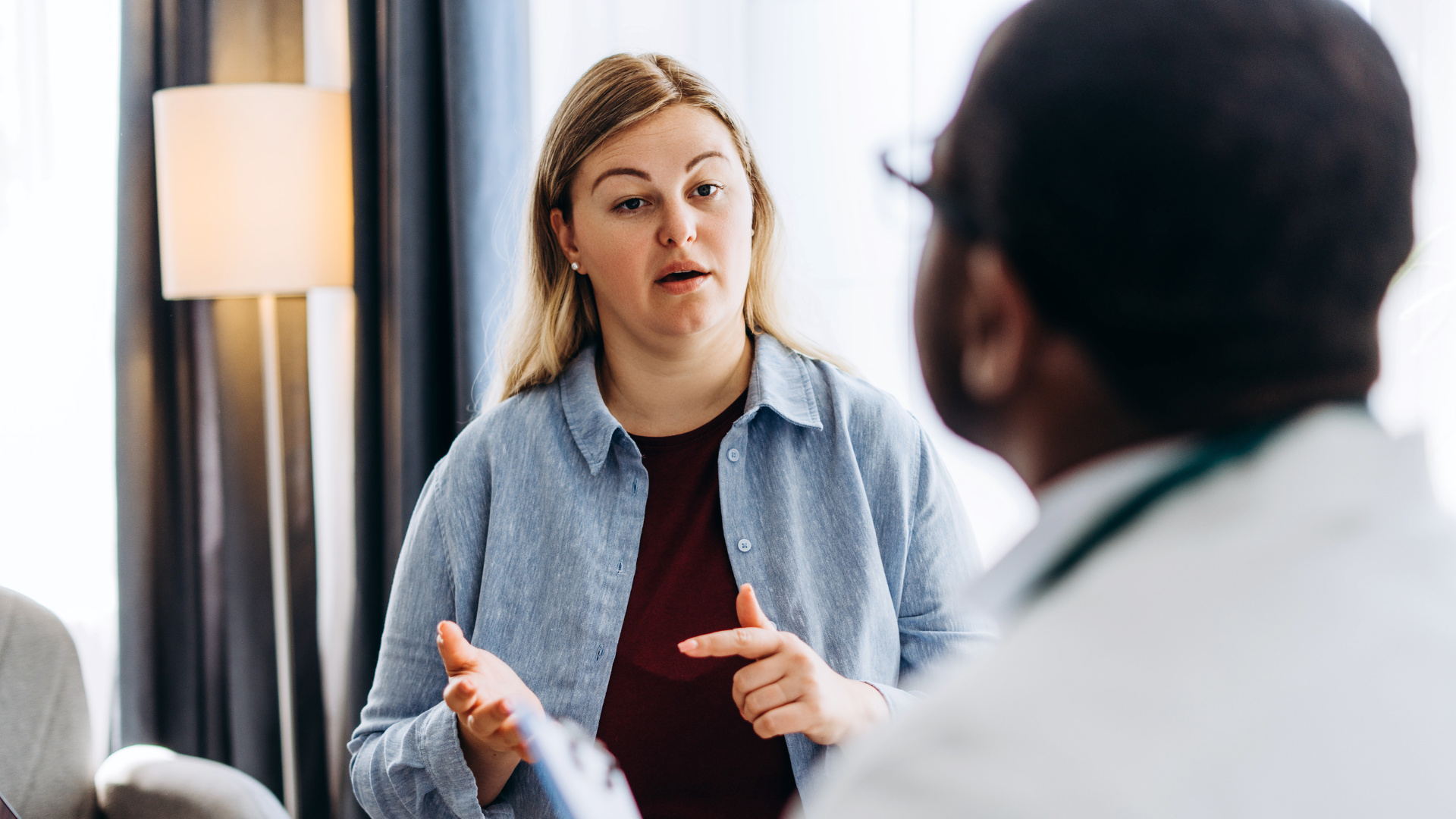
Qualitative insights added even more depth, with some interviewees telling us that caregivers were welcomed and treated as part of the process, while others were excluded entirely, with no opportunity to ask questions or understand their role. As one interviewee told us:
“You need the support of your family and if your family has doubts, there needs to be someone willing to sit and answer their questions. And none of this is happening.”
Caregiver involvement also varied widely by therapy area, peaking at 59% in rare disease trials.
Why caregiver involvement influences retention
Caregivers often act as the stabilising force for participation. If their circumstances change, the patient’s participation becomes fragile. When caregivers feel unsupported, overloaded, or unsure of expectations, the risk of dropout rises.
The wider evidence base supports this with studies showing that meaningful caregiver involvement can strengthen the quality of healthcare research. It also highlights just how diverse caregivers’ needs are though, which signals that a single model of support will not work.
What trial teams can do now
If the goal is better retention and more inclusive participation, then trials need to account for caregivers from the start. That means:
- Identifying whether a participant will need caregiver support and understanding what that support looks like
- Designing logistics that reduce time, cost and emotional load on both the patient and the caregiver
- Involving caregivers in discussions and giving them access to clear, relevant information
- Offering resources that acknowledge caregivers’ own wellbeing, such as signposting, flexibility, or compensated time
- Training site staff to engage caregivers proactively, not reactively
- Building caregiver needs into protocol design rather than treating them as an informal extra
In many circumstances, caregivers help make participation possible and providing additional support to them can also make completion more likely. As trials become more complex and patient centred, the industry cannot afford to treat caregivers as invisible. They are essential contributors to better science, stronger retention, and a fairer experience for everyone involved.