Healthcare information is becoming easier to access. Trust isn’t.
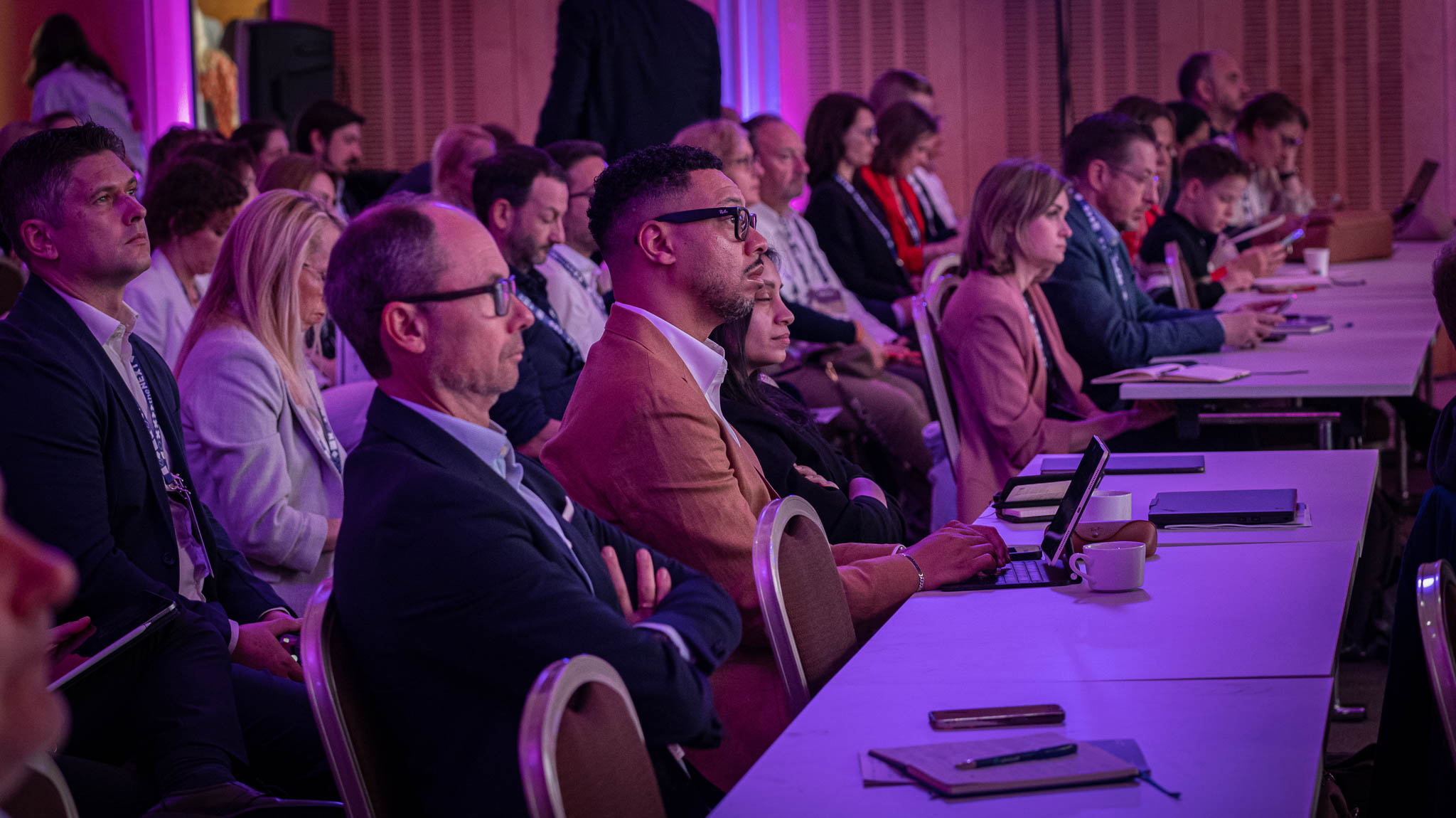
One theme came through clearly at NEXT Pharma Summit 2026. Healthcare information has never been easier to find. But for many people, it has never been harder to make sense of.
The statistics shared across the event showed how quickly things are changing. ChatGPT is now handling hundreds of millions of health-related questions each week. Health searches continue to rise globally. Longer, more conversational searches are growing faster than traditional keyword searches. Healthcare professionals are also using AI tools more often in their day-to-day work.
The challenge is no longer access. It’s knowing what to trust. When people struggle to understand what they’re finding, trust becomes even more important.
Technology is moving quickly, but people’s expectations are rising too. Patients expect information to be available straight away. They want it to be clear, relevant and easy to understand. And their questions don’t stop when they leave a clinic, hospital or pharmacy.
Often, that’s when the search really begins. The industry designs care around a 15-minute consultation, but patients live in the other 23 hours and 45 minutes.
Research shared at the summit showed that 42% of Americans describe their health literacy as low to moderate. Even more striking, 81% said they still have basic questions about their health, regardless of education level.
At the same time, 71% of people using AI health tools still feel they need to check the information somewhere else.
People aren’t only looking for answers. They’re looking for reassurance, confidence and information they can trust. That’s where healthcare communications can play a vital role. The challenge is no longer just making information available. It’s making it clear, useful and trustworthy in a world where people have more sources than ever before.
The organisations that do this well won’t always be the ones producing the most content or using the newest tools. They’ll be the ones helping people make sense of complex healthcare journeys.
The same principle applies to healthcare professionals.
For all the current focus on AI, human expertise still matters deeply. Peer-to-peer trust remains strong, with 80% of physicians ranking their peers as their most trusted source of information. In-person learning remains highly valuable. Congress attendees are more likely to adopt new treatments faster than those who rely only on digital engagement.
So, the message isn’t that technology doesn’t matter. It clearly does. The message is that technology alone isn’t enough. The strongest healthcare organisations aren’t using technology to replace human connection. They’re using it to support it.
Whether someone is searching for answers at home, supporting a loved one through a diagnosis, or trying to keep up with new clinical evidence, the need is often the same.
Clear information. Relevant support. Trustworthy communication.
Technology will keep changing. The human need for trust is unlikely to. In healthcare, that may still be the most valuable currency we have.
Helping people navigate complex healthcare information is what we do. If that's a challenge you're working on, let’s talk.
Sources
- NEXT Pharma Summit 2026, Dubrovnik:
- DE·CODED: Curiosity, Literacy, and the New Language of Health, presented by Stefani Klaskow, Managing Director, Health at Google, and Lois-An Gregory, Strategy & Insights, Health & Wellness at Google.
- Novartis: The Human Advantage – Why HCPs Trust Congress More Than Algorithms, presented by Cristina Finazzi, Director, Congress & Customer Experience at Novartis.